









Five years into the MICHELIN Guide Toronto & Region, we’re looking beyond the distinctions to see how Toronto dining leaders cultivate culture, care, and unforgettable visitor moments.
Skill and good food are only a part of what makes MICHELIN-recognized restaurants exceptional. Anyone who has dined at or worked in a MICHELIN‑recognized restaurant will tell you it's the entire experience, orchestrated by people who care deeply about what they do. That commitment shows up across the team, from cooks and dishwashers to head chefs, servers, front‑of‑house managers, sommeliers to owner-operators.
Ahead of this year’s ceremony, we spoke with teams at four MICHELIN-recognized Toronto restaurants about the standards and practices that make their dining rooms feel effortless and their insights for any business serving visitors.
Provide Exceptional Hospitality Versus Service
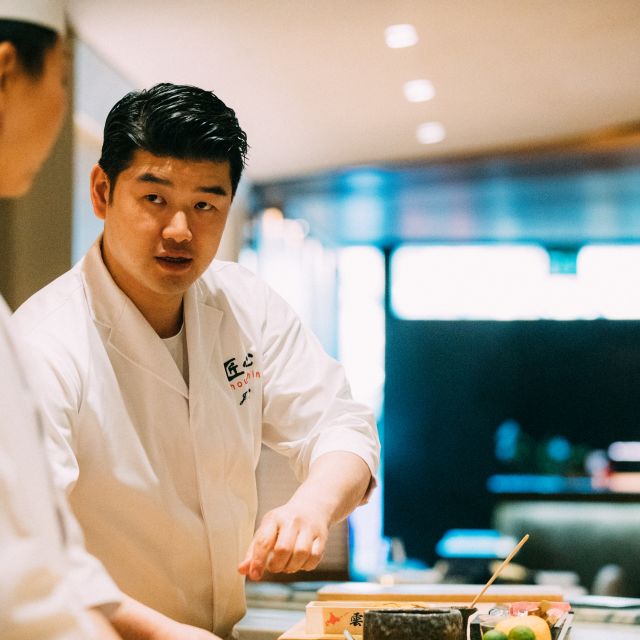
Known for delivering consistently high‑quality dining experiences, every interviewee pointed out the distinction: Service is what you do; hospitality is how you make someone feel. The latter comes from individualizing every moment and balancing that with genuine warmth.
"Most of the time you get service because most restaurants have standardized protocols,” says Jackie Lin, chef‑owner of MICHELIN‑starred Shoushin, an intimate Edomae-style omakase restaurant in Yonge-Lawrence. “We run on rationale rather than protocol," where hospitality comes from observing and reacting, not blindly following a script.
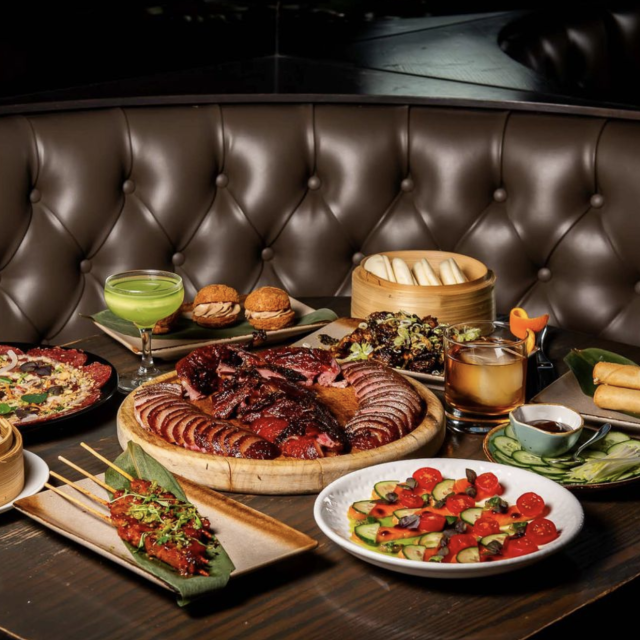
At Chinatown's MICHELIN Bib Gourmand R&D, General Manager Ian Fermin sees excellence as discipline paired with adaptability. Their back-of-house relies on high standards in cleanliness, consistency, execution, and presentation for its playful take on modern Asian-Canadian cuisine while the front-of-house follows established steps of service that adapt in real time, whether, as an example, a table needs more time or more interaction.
"The standard gives our team a foundation," Fermin says. "But we also trust them to use their judgement to ensure guests leave feeling genuinely cared for." Put simply: "The best hospitality is often invisible." Think perfectly timed courses, refills, wiped condensation rings, cleared crumbs, and subtle extra care for older guests. "Good service," he says, "responds to a guest's needs; exceptional hospitality anticipates them."
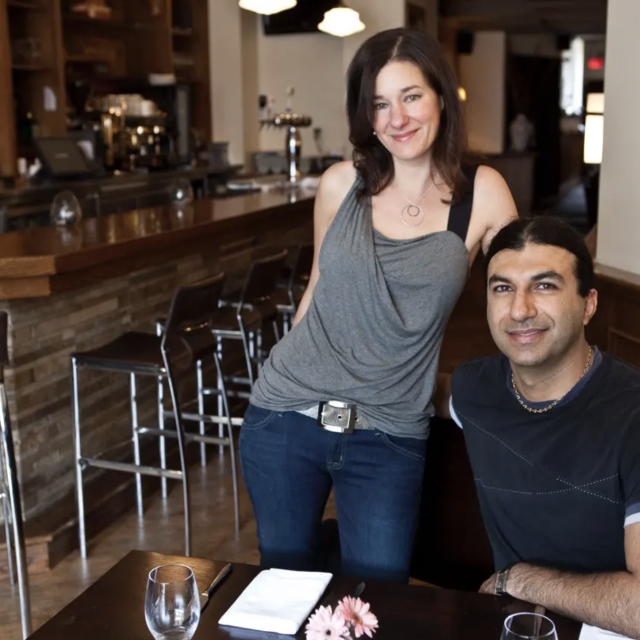
"Everything we do is meant to create comfort, ease, and the sense of being in capable hands," says Shawn Cooper, who runs St. Clair West's MICHELIN-Recommended FK, a contemporary, market-driven Canadian restaurant with her partner and husband, chef Frank Parhizgar. "Guests shouldn't notice the hundreds of minuscule actions, just that service feels seamless, and they feel well cared for."
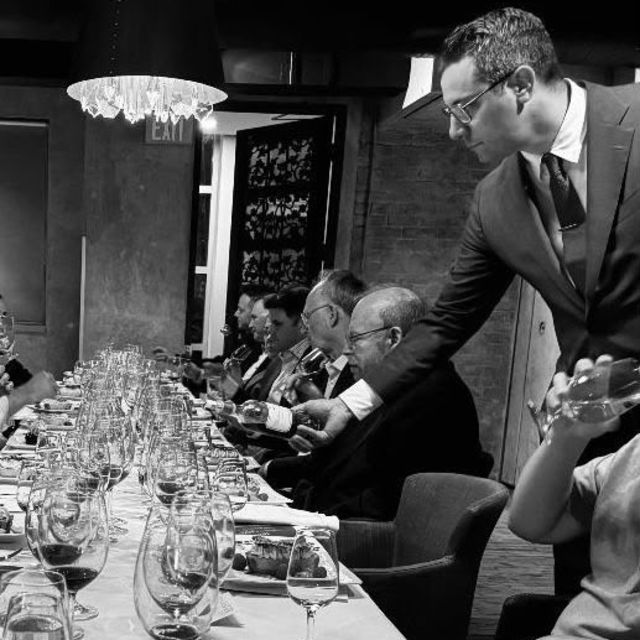
That care also extends to beverage service. At George, Head Sommelier Patrick Habchi oversees a deep, Old World‑leaning cellar that mirrors the MICHELIN‑Recommended kitchen's approach to contemporary Canadian cuisine. "Expertise is being able to listen to and hear the guests without interrupting," he says. "When people feel heard, they are more likely to trust your recommendations."
"The guest chose you! Make them feel they made the right choice: a warm hello, sincere thanks, and if something goes wrong, own it, say sorry, and make it right.”
- Shawn Cooper, Owner/Operator of FK
Know What the Guest Wants (and Respond Accordingly)
Universally, excellence comes from paying close attention. The best teams read guests by watching body language, facial expressions, and taking meticulous notes.
"I need to know what's going on," Lin says. At Shoushin's omakase counter, that guest-facing vantage point lets him customize the experience instantly. "We see their facial expressions, how much they're enjoying the course. No matter how busy, we watch how they eat, ask questions, and always stay two steps ahead."
Fermin agrees. "You can learn a great deal about how a guest wants to be served just by watching how they carry themselves, how they interact at the table, even the notes in our reservation system about what they're celebrating." A business meeting calls for efficiency and minimal interaction; a vacationing couple may want something warmer and more engaging. "The key is never to make assumptions. It's about observing, picking up the cues, and adjusting our service accordingly.”
Listening is another pillar. Cooper calls dinner a conversation, where cues reveal whether guests want engagement or privacy, speed or leisure, deep menu discussions or none at all. Habchi adds that keeping notes on regulars – knowing what they prefer or previously enjoyed – helps the team make recommendations that feel personal. And when guests can't articulate what they want, expertise means asking smart questions and never making them feel judged. "Nothing alienates people more than feeling like they're talking to someone who looks down on their choice of words or personal tastes," he says.
Be Intentionally Flexible (Without Compromising Quality)
Every leader emphasized a disciplined kind of flexibility, where personalized experiences require a strong, reliable business foundation.
Cooper says excellence comes from never standing still. "I learn constantly… there's always a higher level of performance." Hospitality is a nuanced discipline that's always shifting. "The biggest asset in running a business is fluidity – having an open mind, never stopping raising the bar, and finding what resonates with guests."
Parhizgar echoes that from the kitchen: "Fluidity, flexibility and resourcefulness." With a menu that changes constantly based on seasonality, the team must pivot quickly and absorb new techniques. "The team needs to be able to receive new knowledge and learn new techniques."
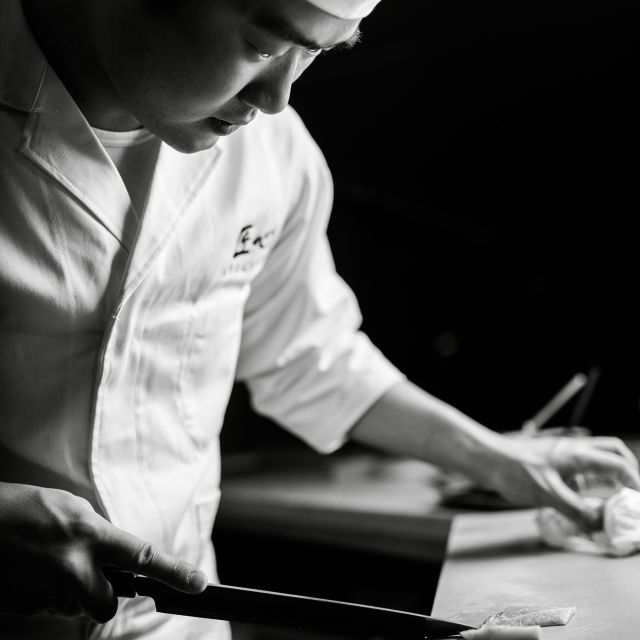
Lin's flexibility is tied to Shoushin's model that serves just 16 to 18 guests a night. It allows him to tailor pacing and experience for every group, but it also requires a higher average cheque. "If I were the paying customer at this price, what should I get?" he says.
Still, the responsibility is immense. "You can't have mistakes. You've got to triple, quadruple check things. Most people don't check enough."
Rigour and operational excellence create the foundation for personalization. When roles and expectations are clear, teams have the confidence and capacity to respond to each guest, adapting the experience without compromising consistency.
Value Strong Staff Culture and Invest in Training
Those at the helm of Toronto's top dining rooms agree that great hospitality starts with the people who deliver it. For Fermin, it involves patience, especially when training new staff. "Everyone learns differently," he says. "The goal isn't just to teach the standard; it's to teach them in a way they can consistently uphold it." His aim is to build a team that succeeds without micromanagement: "When your team grows, the restaurant grows with them."
Cooper sees the team as the restaurant's greatest strength. "They're ambassadors of all that we offer," she says. "A good idea is a good idea; it doesn't need to come from me." Shared values and respect shape the guest experience. "Staff culture and morale are number one. Their happiness is important to me, and our clientele notice a happy, cohesive place."
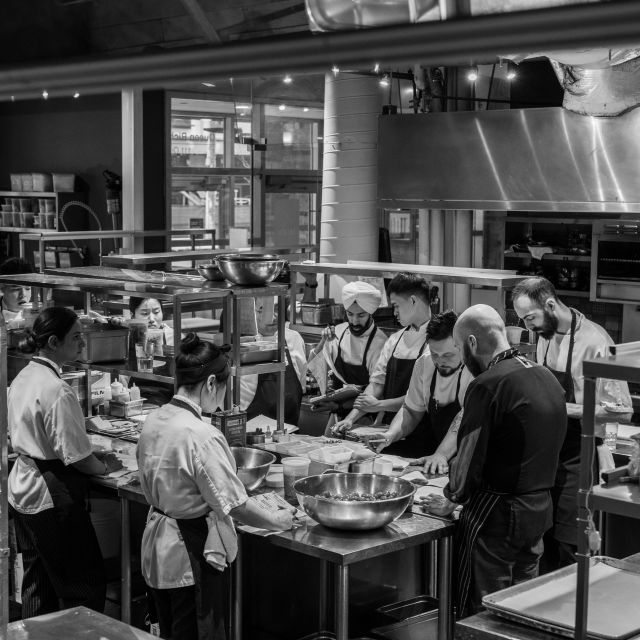
Constant communication is an important attribute for success. For Habchi, it's a group chat to share important notes, cellar walkthroughs, and constant tastings. In Parhizgar's kitchen, it's pre-shift and after-service meetings plus ongoing communication throughout service. "It's constant mentoring, camaraderie, a good sense of humour, plus cultivating a close family-type environment – these are the people we hang out with after service, and even vacation together! – and a shared excitement and aspiration for better techniques to showcase our awesome ingredients." Even at Shoushin, where ingredients are precious and practice on them is limited, Lin insists on passing responsibility forward: "My staff come here to learn, not just to observe."
Above all, give the team autonomy. "Teach your team to read the room, not just read the manual," Fermin says. "Give them enough structure to know what good looks like, but enough freedom to use their judgement. I want them thinking, what can I do to make this experience better?" When staff understand the why behind hospitality, they're empowered to make the right decision.
"The best hospitality is often invisible. Good service responds to a guest's needs; exceptional hospitality anticipates them."
- Ian Fermin, General Manager of R&D
Ultimately, it's about the customer. "Guests remember how you made them feel far more than they remember whether you followed every step perfectly," Fermin says. Cooper agrees. She warns that during a restaurant's "hot" period, appreciation for the customer can slip – a crucial mistake. Guest retention is a long game, built on making people feel recognized and special.
"The guest chose you! Make them feel they made the right choice: a warm hello, sincere thanks, and if something goes wrong, own it, say sorry, and make it right.”
Whether welcoming diners, tour guests or festivalgoers, the lesson is the same: memorable experiences are built through care, consistency and attention to every guest.